MIC Diagnostics & Risk Assessment
We use advanced DNA analysis and a Multiple Lines of Evidence (MLOE) approach on samples from your system to identify and assess the risk of MIC – a type of aggressive corrosion caused by microorganisms – helping you prevent costly leaks, blockages, and equipment failure. Our diagnostic service transforms uncertainty into actionable intelligence, giving you the evidence-based answers you need to make the right decisions about your asset integrity.
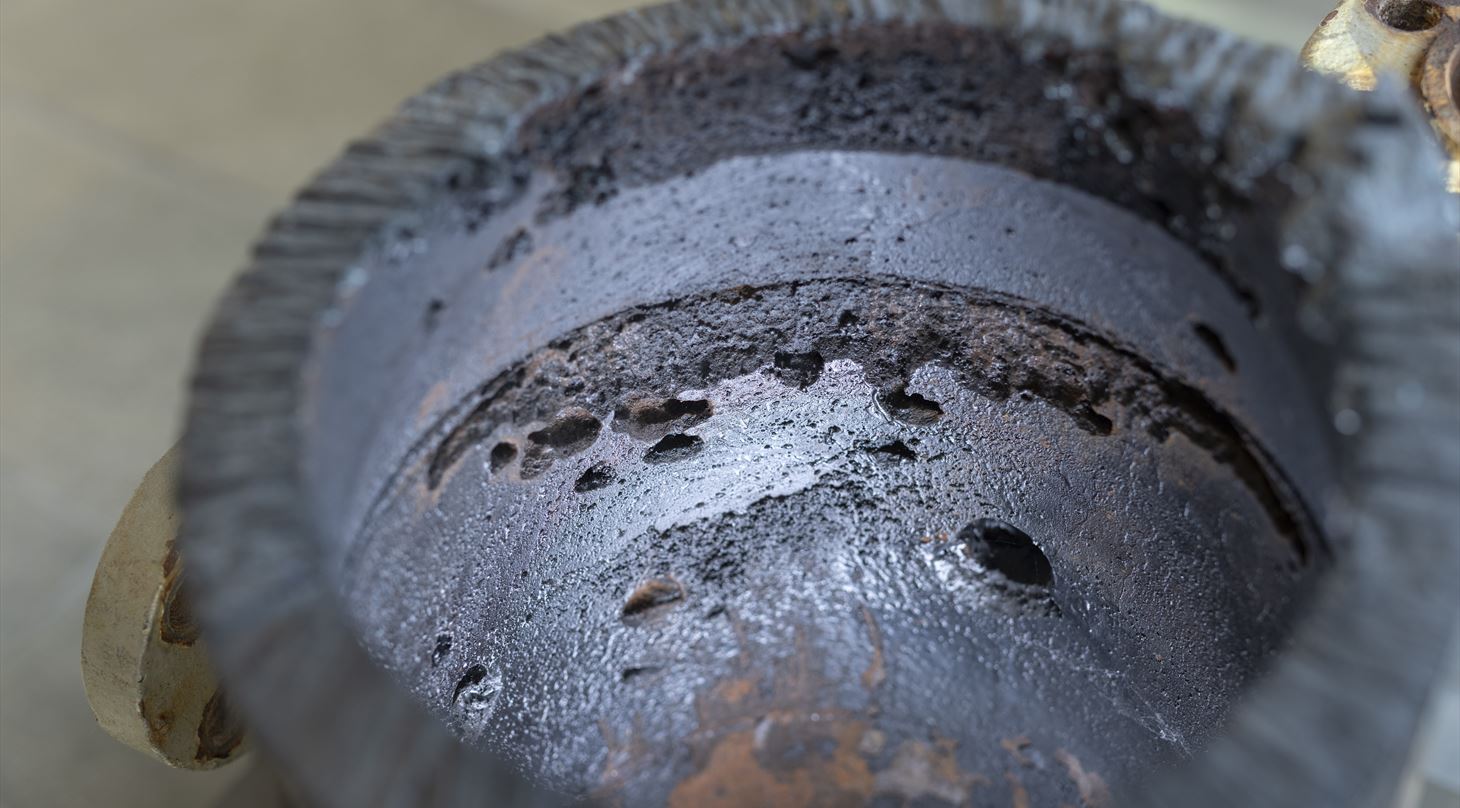
We don't rely on a single test, but instead integrate microbiological data (DNA analysis, activity measurements, microscopy), chemical indicators (e.g., H₂S and other corrosive by-products), material evidence (pitting and localized attack typical of MIC), and operational factors to provide a robust, comprehensive diagnosis.
What can Danish Technological Institute help you with?
- Identify the root cause of unexplained corrosion, leaks, or equipment failures
- Quantify MIC risk with precise DNA-based/RNA-based analysis of microbial threats and MIC indicators/biomarkers
- Determine if MIC is actually the problem or if you should focus on resources elsewhere
- Validate treatment effectiveness of your current biocide or mitigation program
- Get actionable recommendations for targeted mitigation strategies
- Fast, reliable results from anywhere in the world using our IQ Kits®
Transform diagnostic uncertainty into confidence
 Standard corrosion analysis often overlooks the microbial element, leading to incorrect diagnoses, wasted resources, and ineffective mitigation efforts. You might be treating the wrong problem, spending money on unnecessary biocides, or missing the real threat entirely.
Our MIC Diagnostics & Risk Assessment service solves the problem of diagnostic uncertainty. We provide a clear, data-driven answer to the critical question: "Is Microbiologically Influenced Corrosion (MIC) happening in my system, and if so, how severe is the threat?"
How we deliver clarity and certainty
The process is designed to be simple for you and precise in its results. It starts with a consultation where we discuss your specific issue—whether it's unexplained pinhole leaks, accelerated corrosion rates, black deposits on corrosion coupons, souring problems, or suspicious pigging debris. Based on this discussion, we recommend the appropriate IQ Kit® for your situation.
Once you order the kit, we ship it directly to your location anywhere in the world, complete with clear, step-by-step instructions. Our IQ Kits are specially designed to preserve sample integrity, making reliable sampling possible even in the most remote locations.
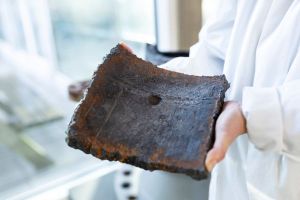
You (or our team, if preferred) collect the sample—whether it's water, biofilm, solids, corrosion coupons, or pipeline debris—following the straightforward protocol. The kit is then shipped back to our laboratory for analysis.
This is where our expertise truly makes the difference. Using advanced molecular techniques including Quantitative PCR (qPCR) and Next-Generation Sequencing (NGS), we analyze the microbial community in your sample. qPCR counts specific high-risk microorganisms known to drive MIC—such as sulfate-reducing bacteria (SRB), iron-oxidizing bacteria, and methanogens. NGS provides a complete census of the entire microbial ecosystem, revealing hidden threats and complex interactions that traditional culture-based methods miss entirely.
We don't just give you raw data and leave you to interpret it. Our experts consolidate the analytical results, compare them against our proprietary MIC Risk Database, and deliver a comprehensive report that includes:
- Clear identification of the specific types of microorganisms present
- Quantified risk assessment showing how severe the MIC threat is
- Definitive diagnosis of whether MIC is the root cause or a contributing factor
- Actionable recommendations for targeted mitigation, treatment optimization, or further investigation
- Visual presentation of results that can be easily shared with management and stakeholders
Advanced analytical capabilities that deliver answers
Our laboratory is equipped with cutting-edge technology that goes far beyond traditional "bug bottle" culture methods, which can miss over 99% of the relevant microorganisms:
- Quantitative PCR (qPCR): Molecular technique that counts specific MIC-causing microbes with high precision
- Reverse Transcriptase Quantitative PCR (RT-qPCR): Measures the metabolic activity of key MIC-related microorganisms by quantifying their expressed RNA, providing insight into which microbes are actively driving corrosion rather than just present in the system
- Next-Generation Sequencing (NGS): Comprehensive microbial community analysis revealing the complete ecosystem
- MIC Risk Database: Proprietary database developed over decades, translating microbial data into clear, industry-relevant risk levels
- Chemical Analysis Capabilities: Integration with water chemistry, metallurgical analysis, and corrosion product characterization
- IQ Kits®: Sampling system ensuring sample integrity worldwide
This holistic capability—combining microbiology, chemistry, materials science, and corrosion engineering under one roof at Danish Technological Institute—means you get more than just test results. You get a complete diagnostic picture and a clear path forward.
Real diagnostic breakthroughs for our clients
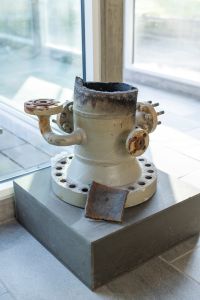 Example framework: An offshore operator was experiencing repeated pipeline failures despite using a standard corrosion inhibitor program. Traditional inspection suggested general corrosion, but the pattern didn't match expected models. Our MIC Diagnostics service on a failed pipe section revealed that the root cause was not chemical corrosion at all, but aggressive MIC from a consortium of acid-producing and sulfate-reducing microbes. Based on our clear diagnosis and recommendations, they switched to a targeted biocide program, which halted the accelerated corrosion completely. This prevented further failures and saved them millions in potential production loss and repair costs.
Sometimes the most valuable answer we provide is "MIC is most likely not your problem". One client was preparing to invest heavily in a comprehensive biocide treatment program based on assumptions about bacterial corrosion. Our diagnostic analysis showed that while microbes were present, they were not active or aggressive enough to be driving the observed corrosion.
The real issue was related to flow dynamics and water chemistry. This diagnosis saved the client from wasting resources on an unnecessary biocide program and allowed them to focus on solving the actual problem.
Frequently Asked Questions
What is MIC, and how do I know if I have it?
Microbiologically Influenced Corrosion (MIC) is corrosion caused or accelerated by microorganisms living in biofilms on metal surfaces. Common signs include unexplained pinhole leaks, localized pitting, black deposits, rotten egg smell (H₂S), rapid corrosion rates that don't match chemical models, and visible biofilm or slime. Our diagnostic service provides definitive confirmation.
How is DNA analysis different from traditional bug bottles or culture tests?
Traditional culture-based methods (bug bottles) can only detect microorganisms that happen to grow under specific laboratory conditions, typically less than 1% of the microbes actually present in your system. DNA analysis detects all microorganisms, including the unculturable ones that are often the most aggressive MIC drivers. It's faster, more accurate, and far more comprehensive.
Can I collect the samples myself, or do you need to do it?
Most clients collect samples themselves using our IQ Kits following our clear instructions. The kits are designed to be user-friendly and foolproof. However, if you prefer or if the situation is complex, we can send our team to collect samples on-site.
What do I need to provide for an accurate diagnosis?
The most important thing is a representative sample from the right location—ideally from the area where you're experiencing the problem (e.g., corrosion site, pigging debris, water near the issue). We also benefit from contextual information: system drawings, operational data (temperature, flow rates, water chemistry), treatment history, and a description of the observed problem.
What if the analysis shows I don't have MIC—what then?
That's actually very valuable information. It prevents you from wasting money on unnecessary biocide treatments and allows you to focus your resources on the actual root cause, which might be related to flow dynamics, material defects, chemical composition, or other corrosion mechanisms. We can often point you in the right direction based on the full diagnostic picture.
How does this service relate to your MIC Prevention & Monitoring Program?
Our Diagnostics & Risk Assessment is the perfect starting point. It gives you a clear baseline understanding of your current MIC situation. Many clients then choose to expand into our comprehensive MIC Prevention & Monitoring Program for ongoing tracking, proactive intervention, and long-term asset protection. But you can also use diagnostics as a standalone service for specific troubleshooting or validation needs.
Can you guarantee you'll find the cause of my corrosion problem?
We guarantee an accurate, comprehensive analysis of the microbial component of your corrosion issue. MIC is often part of a complex picture that may also involve chemical corrosion, materials issues, and operational factors. Our report will clearly identify whether microbes are driving the problem, contributing to it, or are largely irrelevant—and provide recommendations for next steps in all scenarios.
Do you work internationally, or only in Denmark?
We work globally. Our IQ Kits are specifically designed to ship worldwide and preserve sample integrity, making reliable sampling possible from remote offshore platforms, pipelines in extreme climates, and facilities anywhere in the world.
Get the answers you need to protect your assets
Stop guessing. Stop treating the wrong problem. Get clear, evidence-based answers about your MIC risk.
Whether you're investigating an unexpected failure, validating your treatment strategy, or conducting a proactive risk assessment, our MIC Diagnostics & Risk Assessment service gives you the certainty you need to make confident, cost-effective decisions.
Contact us today to discuss your specific situation and find out how we can help you get to the root of your corrosion challenge.